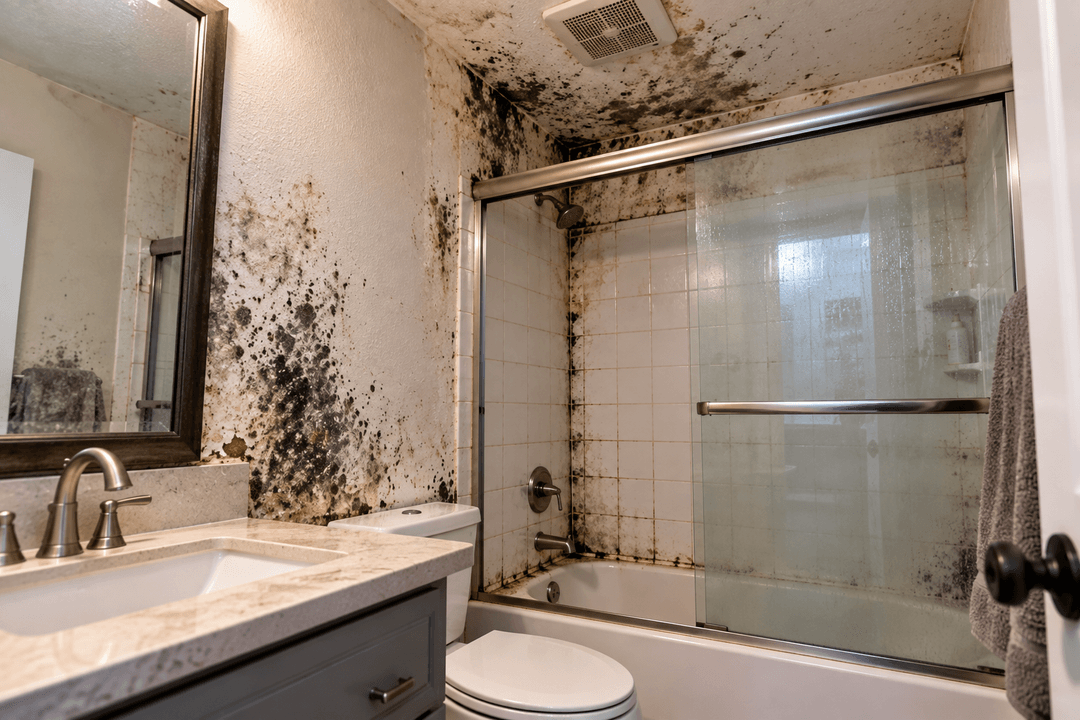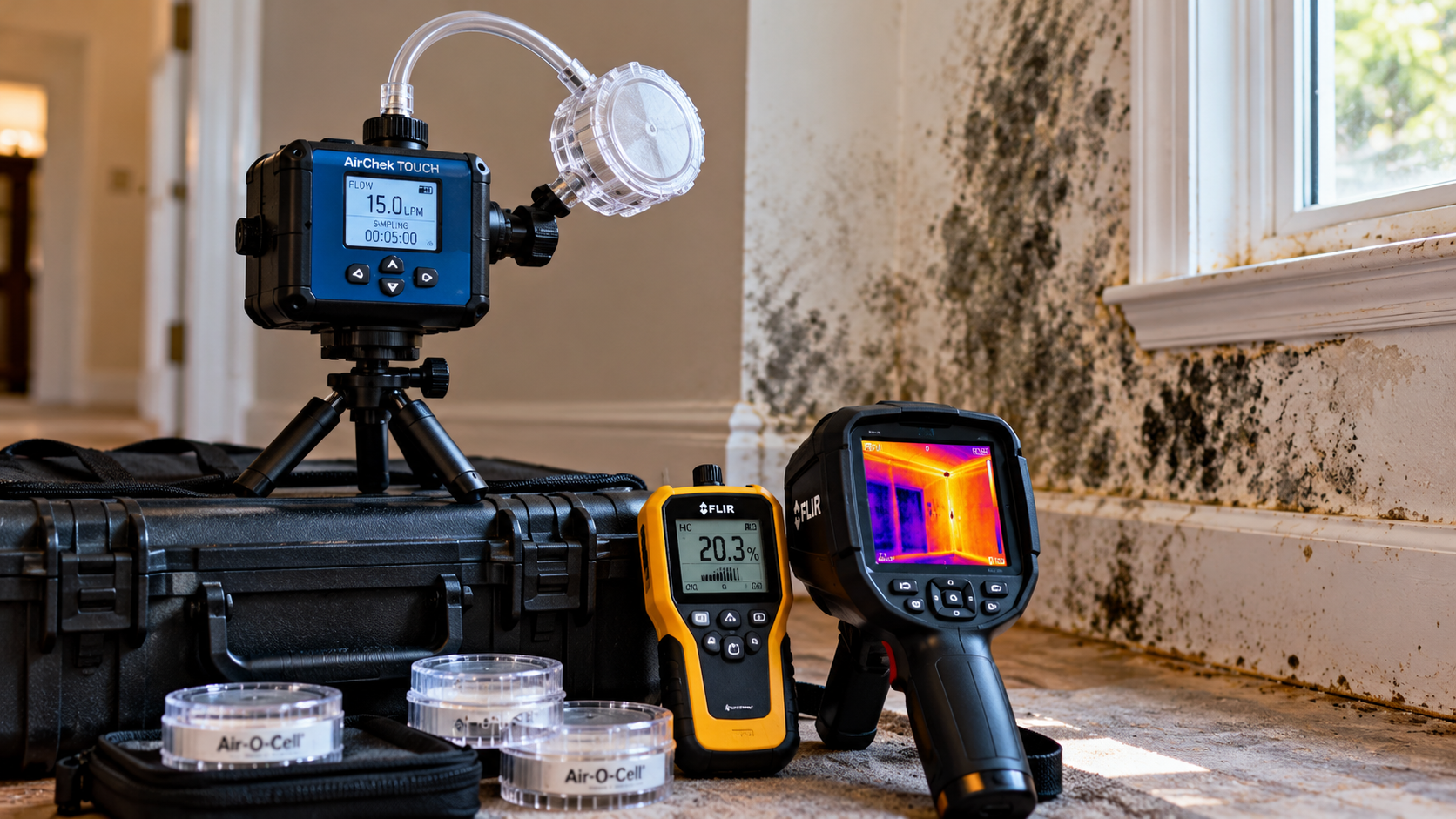
Mountain Man Mold Inspections provides professional mold inspections, moisture assessments, and indoor air quality testing throughout the Big Bear Valley, Lake Arrowhead, and surrounding mountain communities. We help homebuyers, homeowners, sellers, and property owners identify suspected mold growth, moisture intrusion, and conditions that may contribute to indoor air quality concerns. Our inspections provide clear, objective findings to help you make informed property decisions.
SCHEDULE A MOLD INSPECTION
Mountain Man Mold Inspections provides professional mold inspections, moisture assessments, and indoor air quality testing throughout the Big Bear Valley, Lake Arrowhead, and surrounding San Bernardino Mountain communities.
Big Bear Lake • Big Bear City • Sugarloaf • Irwin Lake • Lake Williams • Fawnskin • Baldwin Lake
Crestline • Lake Gregory • Rimforest • and surrounding Rim of the World areas
Running Springs • Arrowbear Lake • Green Valley Lake • Forest Falls • Angeles Oaks • Wrightwood and surrounding mountain areas.
Mountain properties face unique moisture challenges from heavy snowfall, ice dams, roof leaks, plumbing failures, crawlspace moisture, and seasonal temperature changes. These conditions can contribute to hidden moisture intrusion, fungal growth, and indoor air quality concerns. Mountain Man Mold Inspections helps identify these conditions through professional visual assessments, moisture detection, thermal imaging, and targeted sampling when appropriate.
From the Big Bear Valley to Lake Arrowhead and surrounding mountain communities, Mountain Man Mold Inspections provides professional mold inspections, moisture assessments, and indoor air quality testing. Our services help property owners and buyers identify suspected microbial growth, water intrusion, and moisture-related concerns.
Serving Big Bear Lake, Big Bear City, Sugarloaf, Fawnskin, Baldwin Lake and properties throughout the Big Bear Valley.
Serving Lake Arrowhead and nearby mountain properties where seasonal snowfall, roof leaks, condensation, and moisture intrusion can contribute to hidden mold growth.
Serving Running Springs, Arrowbear Lake, Green Valley Lake, Crestline, Lake Gregory, Rimforest, Wrightwood and surrounding mountain areas.
Mountain properties face unique moisture challenges due to heavy snowfall, freezing temperatures, seasonal humidity, roof leaks, and periods of limited occupancy. These conditions can allow moisture to accumulate in attics, crawlspaces, walls, and other concealed areas, creating environments where mold may develop.
Heavy snowfall and ice dams can allow water to penetrate roofing and exterior walls, creating concealed moisture conditions where mold may develop.
Aging roofs, plumbing leaks, inadequate ventilation, and deteriorated waterproofing can contribute to moisture intrusion and suspected mold growth.
Mountain properties may experience condensation, elevated humidity, and moisture accumulation in crawlspaces and attics, creating conditions favorable to mold growth.
Mold and moisture problems are not always visible. Professional mold inspections use visual assessments, moisture meters, thermal imaging, and air or surface sampling when appropriate to investigate suspected microbial growth, concealed moisture, water damage, and indoor air quality concerns.
Whether you're purchasing a property, maintaining a mountain home, or investigating suspected mold or moisture damage, Mountain Man Mold Inspections provides professional mold inspections, moisture assessments, and indoor air quality testing throughout the Big Bear Valley, Lake Arrowhead, and surrounding mountain communities.
SCHEDULE YOUR MOLD INSPECTIONOur primary service area includes the Big Bear Valley, Lake Arrowhead and surrounding San Bernardino Mountain communities. If your property is outside one of the areas listed above, contact us to confirm availability for your location.
Serving the Big Bear Valley, Lake Arrowhead, and surrounding mountain communities with professional mold inspections, moisture assessments, and indoor air quality testing. Heavy snowfall, ice dams, roof leaks, condensation, and seasonal temperature changes can create hidden moisture conditions that contribute to mold growth in mountain properties.